Go to content Go to navigation Go to search

FarmBlog

The Wholearth Heritage Harvest Feast

A farm field-to-table celebration with chef Jamie Kennedy

When: SATURDAY AUGUST 22 2009
Come on up to the farm!
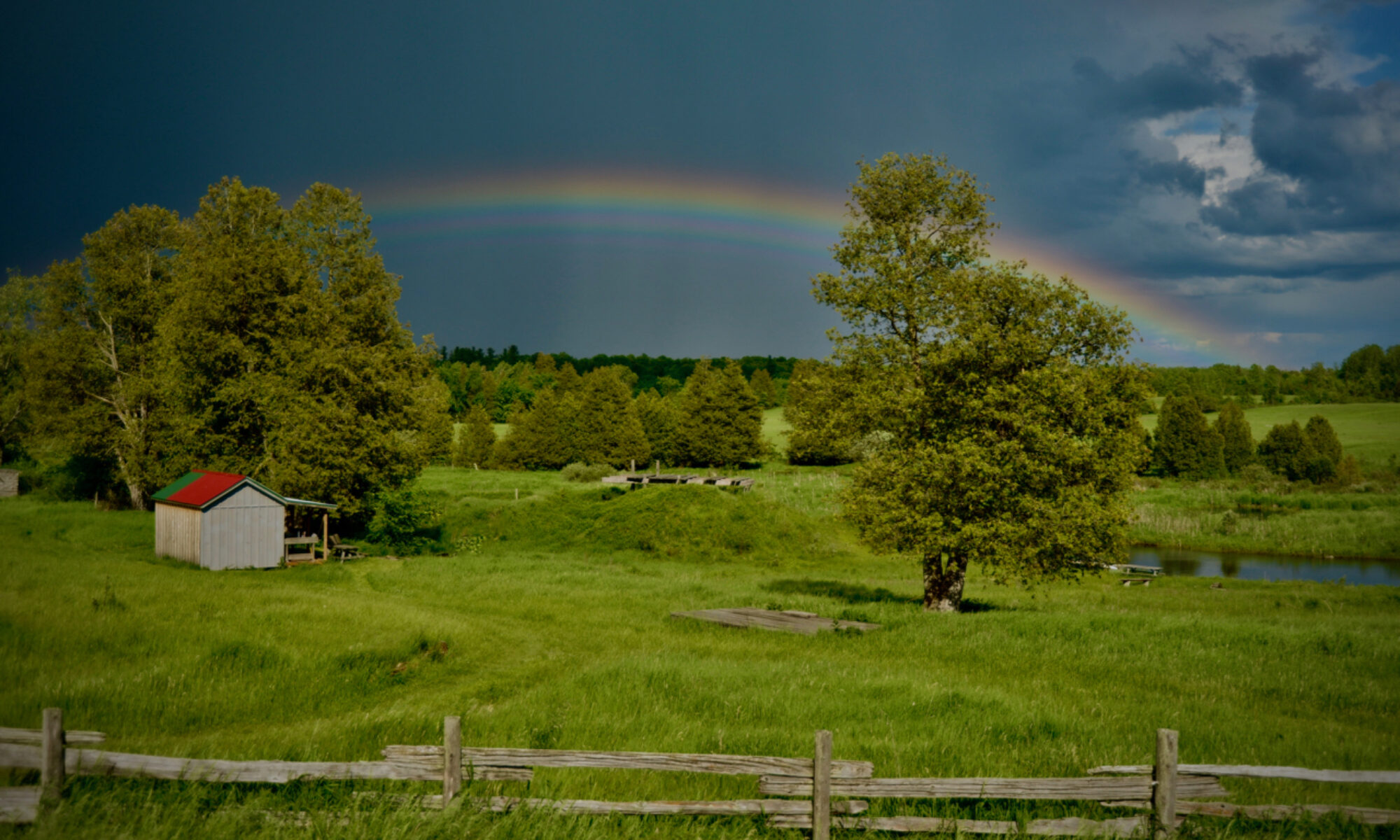
Stroll, relax and indulge in the best of the seasons bounty at our Wholearth Heritage Harvest Feast. Tour our organic gardens and field of rare heritage Shropshire sheep, walk the woodland trail or enjoy the view from a hilltop perch overlooking our spring-fed pond.

Our finest local chefs will create a memorable outdoor field-to-table dining experience for you, using fresh heritage meats, poultry and heirloom vegetables raised right here on the farm. Guests are joined by local farmers and food producers, a beekeeper, and other local artisans.


Who’s Cooking?

A talented group of superb local chefs will grace our fields by creating sensory surprises for your tasting pleasure.

Among them…
Chef Jamie Kennedy of Gilead, Jamie Kennedy at the Gardiner, Jamie Kennedy Wine Bar, Hank’s Cafe in Toronto
Chef Brad Watt of Rare Grill in Peterborough
Chef Carrie Galvin of Riverhouse Company restaurant in Lakefield

…and more to be announced

The Menu

…will be fresh, seasonal and unforgettable…and will include specialty ingredients listed on the Slow Food Ark of Taste, such as heritage Jersey Giant chicken, heritage Tamworth pastured pork, Amish Deer Tongue and Forellenschluss or “speckled like a trout” romaine lettuce, Bourbon Red turkey, Shropshire lamb, Aunt Ruby’s German Green and other heirloom tomatoes, and more. We’ll send out details of what’s cooking beforehand to whet your appetite. Don’t miss this special day of fun and feasting….

$125/pp—Wholearth Heritage Harvest Feast (includes new membership) (after June 30)
$111/pp—Early Bird Registration (until June 30)
$90/pp—Wholearth current Members & CSA HarvestShareholders
$65/pp—Seniors and Children under 12

This event is held to celebrate the seasons harvest of our tastiest Heirloom produce and Heritage meats; in support of sustainable, ecological agriculture; and to promote local chefs using local farmers and producers (& Montana’s birthday!)

Where Do I Sign Up?

Click here to reserve your spot as there will a limited number of guests. Payment options are either by InterAc Email Money Transfer or HayPal…er, rather PayPal or snail-mailing a cheque.

We’ll need your full name, phone, address and email contact info for the guest list.

About 2 weeks prior to the dinner we send out invitations to our confirmed guests with directions to the farm, information and historical background of menu items, and other details.

We do expect this memorable day to sell out quickly, so book now to avoid disappointment.

Whatever Shall I Wear?

Wellies of course! Or other comfortable footwear for strolling about the property. This is a farm..it’s a casual affair where your taste buds will be all geared up but you don’t have to be. You are here to relax and enjoy and explore. Be prepared for both warm sun or cool breezes in this summer of changing weather day to day…even hour to hour, so be sure to have a sweater or jacket on hand as well.

If the weather is cooking’ as well as the chefs then be sure to bring swimwear and a towel, we have a lovely spring-fed pond to cool off in.

Speckled Like A Trout Back aka Forellenschluss lettuce

Creme Brulee

Growing Your Dinner

Heritage Tamworth & English Large Black pastured pork

Email us at the farm or call 705.696.2556 if you’d like.

How To Whip Up a “Slow Food” Heritage Breakfast

First you raise a heritage breed pig breed such as Tamworth (which is now on the Slow Food Ark of Taste List by the way) or English Large Black. Be very good to it…let it roam outside on pasture eating fresh green grass and roots and grubs, let it make a mudwater bath to play in with it’s friends, give it lots of clean straw to roll about in. Don’t feed it any antibiotics, just crushed grains to supplement it’s grazing diet. Notice how happy it is, how it snorts with glee and barks like a dog and wants to walk with you in the field. Wait 6 or 7 months until it is 260 pounds or so, or more if you want mega chops and roasts.

Meanwhile raise up a heritage breed chicken such as a Jersey Giant (also on the Slow Food Ark of Taste List, as it happens). Ensure it’s contentment the same way…by providing a safe, clean environment and good natural food, a few feathered friends to scratch around with, and give it the freedom to cluck and peck about in the earth and through the fields. When it gets to be 5 or 6 months old it will give you a lovely brown tinted egg in the nest box you provide it with. Then in a day or so it will give you another. So will it’s hen friends.

Locate a good abattoir. If you are selling your pork you MUST use one and have your pig government inspected to abide by food and safety health regulations. Find a reliable, trustworthy one who will process your cuts the way you like them and ensure it is your own product you are getting back. We have a great one, after a few not-so-great-ones. If the whole hog is for your own personal use, that’s another story.

The Smokehouse

Meanwhile build a smokehouse, or better yet, get Dawson to build you one. He is really good at it. And ridiculously quick.

Our new smokehouse was built in a day by talented man of the earth Dawson Campbell. Built with all reclaimed lumber—(wooden planks from the old, now demolished Hastings Faux Feed Mill), four $2. oven racks from Jack (you don’t know Jack), and a discarded wood furnace.

THEN…after 2 refrigerated weeks sloshing about in a lovely brine bath of spices including salt, peppercorns, bay leaves, dried red pepper, mustard seed, homemade pickled beet juice, juniper berries, garlic, etc, we pulled out our pickled Tamworth x Large English Black pork bellies, hams, tenderloins and hocks and proceeded to smoke ‘em!

After a day and a half curing in applewood smoke, after running out every few hours to check the woodsmoke and turn and rotate the browning hunks, the pork bellies transformed into tawny lengths of naturally smoked, nitrate-free side bacon. The hams took on the same hue..all 17 of them. The odd one got too much heat and smoke in center stage “hot spots”, and received more blackening. We’ll have to tweak it for future smoking…pretty simple. Those ones are best with the exterior trimmed off..then the taste is just as exquisite.

All but the tenderloins…those, we did not smoke at all, but took from the brine and rolled in fine cornmeal and got out the frying pan to taste test our first EVER homemade all-natural truly Canadian peameal bacon. Next round we’ll grind our garden peas and make it with a truly original “pea“meal coating. Served up sizzling alongside freshly laid, free-ranging Heritage Jersey Giant chicken eggs, of course.

Next morning we drizzled Amanda and Dave Sharpe’s sublime maple syrup over one of the hams and baked it in the oven..the woodsy sugars crystallized into an amber caramelized coating, running with juicy crispy succulence.

Oh my. Words cannot express.

Serve it up with a few colourful sauteed heirloom tomato halves, like Cherokee Purple or Aunt Ruby’s Green. We are considering opening up a “farm finer diner” as we realize we’ll never be satisfied going out for breakfast again.

Want some?

Hmmnn…sorry. While we do sell our Heritage pastured pork chops and roasts etc as part of the Wholearth HarvestShare (MeatShares), we don’t sell the smoked hams or bacon at this time. The best you can hope for is an invitation to dinner or breakfast to experience this earthly succulence at our farmhouse kitchen table.

We will also happily come to taste test yours if you invite us over, and give you a free opinion on how it turned out.

Email us at the farm or call 705.696.2556 if you’d like.

Bumper Crop of Time


June 4 and farmers are all talking about how cool it’s been and asking when can we get on the land, and get some plants in the ground? One of the biggest learning curves for those new to the philosophy and principles behind a CSA (Community Supported Agriculture) is understanding that TIME is one of the greatest factors in farming.

Because of all this unseasonably cool and wet weather, the first GardenShares will be delayed a few weeks this year…it’s a “wait and see” right now as for the first date of delivery.

Growing good food takes time..it also takes sun, rain, patience, gratitude, some experience, a little luck, and a gentle spirit. You can still grow food without some of those ingredients—better if you have most of them. But time is key. Plants want to grow, whether they be weeds or vegetables…you can help them or hinder them. In spring our garlic dancers (pictured at right) leap up with outstretched pointed arms…because we gave them time by planting last fall.

Heritage meats take time too—“slow food” is not just cooking time but creation time. A CSA can’t deliver your roasting chicken to you in May or June because your roasting chicken is likely still just an egg. It takes time to grow out your chickens for you…it’ll take time learning to eat with nature’s rhythm to understand that raising chickens outdoors on pasture is a seasonal affair that requires the whole summer. At the farm we do not raise conventional hybrid White Rock Crosses in gigantic windowless buildings because they are tasteless and soft and we don’t wish to support a commercial broiler industry that chooses to push 5 to 6 weeks old tasteless birds on unsuspecting consumers. Yes, one can make more money that way. We’d rather raise a slow, healthy, happy chicken that spends it’s life outside naturally. We’d rather savour authentic flavour. Hence our dedication to “Slow food… real food…good food”.

The majority of the chicken-eating public are not aware that those commercial White Rock Hybrids have been highly production-bred for feed efficiency and that their weak legs will not support their fast growing bodies. Their little chicken hearts give out at an early age…they fall dead with heart attacks from the least amount of exercise or strain. The commercial poultry producers slaughter them early on…from 5 and a half to 6 weeks of age. A day too long…well, a moment too long and they will die before they are killed, rendering them useless for human consumption. They also need to adhere to feed conversion schedules (aka profit margins). An extra few days and their mounting profits slow as the chickens eat more but top out in growth rate.

Even trying to raise a White Rock Cross outdoors is a sad exercise in futility. Some commercial poultry producers companies claim to be raising “organic free range chicken”, but in fact are using this breed and merely opening a door to the outside to substantiate their claim of “free range”. It’s no wonder consumers are confused by the terminology. Those chickens are bred to sit and eat…they can’t support their weight on their own legs so don’t move…even if they are taken out of their confines and placed in a green pasture, they sit and look and eat. They’ll sit in the doorway of giant windowless brooder house and look, but not venture, outside. Here at the farm we choose not to eat a creature that has lived such a miserable existence. Seems to make more sense to enjoy one that has enjoyed it’s time here.

We raise our animals more humanely, naturally on grass and by the seasons clock, not a corporate clock. We prefer slow growing, tasty natural heritage breeds. We raise beautiful Miller strain Jersey Giants, an exceptional British, non-commercial line of Dark Cornish obtained from master poultry judge and breeder Gerald Donnelly, and his line of outstanding Light Brahma chickens. We are also trying out an alternative slower growing meat breed from Bonnie’s Hatchery…they are Redbro genetics from France, so we’ll see how we like them this year. They are not heritage but they are not poor commercial White Rock Cross freaks of nature either. Next year we hope to use a Heritage breed cross of our own that we are working on for our shareholders.

So count your chickens and calculate how many you’ll likely want to dine on in a year, and we’ll raise them for you (our MeatShares are limited). They’ll be ready beginning of September and they’ll be the best chickens you ever tasted. You are welcome to come count your chickens (after they hatch) at the farm over the summer…or at least watch and see how well they live before gracing your dinner table.

Email us at the farm or call 705.696.2556 if you’d like.

© Wholearth 2009